How to Fix Musty Basement Carpet and Stop Mold at the Source
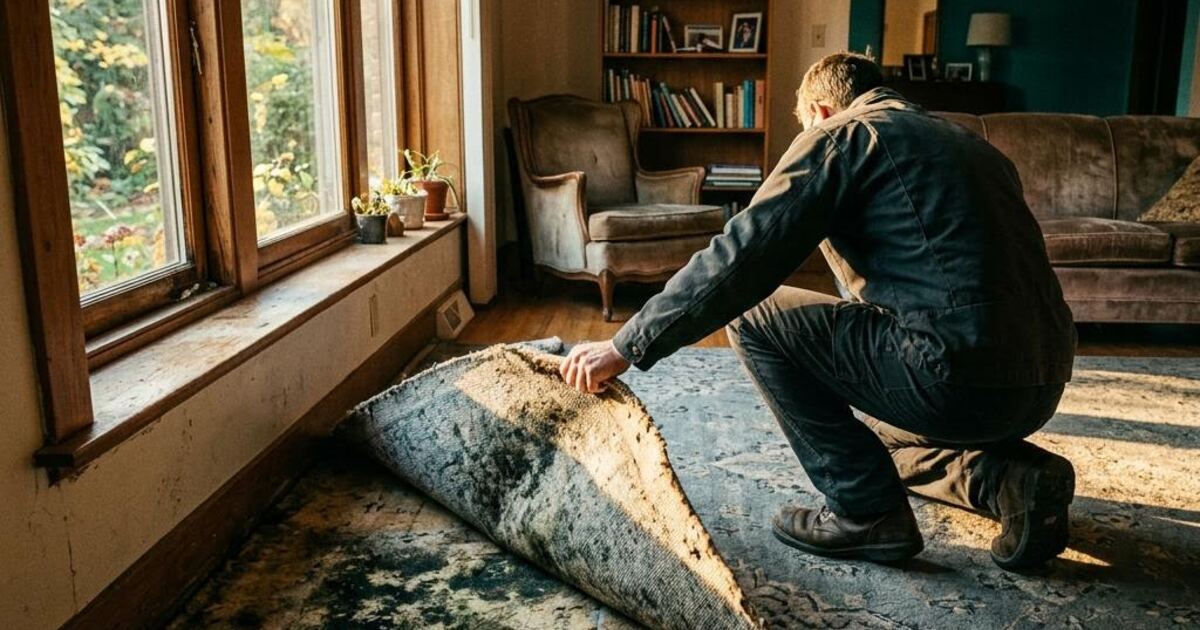
A musty smell in a basement carpet is not something you learn to live with. It gets worse. The odor means moisture is trapped in the padding or the backing, and where moisture sits, carpet mold follows. I have seen this in finished basements that looked fine on the surface until you pulled back a corner of the carpet and found black spots spreading along the tack strip. The fix is not just about cleaning. You have to address the basement moisture that feeds the problem, or the smell comes back within weeks.
Most people reach for a carpet cleaner first. That can lift surface dirt and maybe tone down the odor for a day or two, but it does not kill the mold below the carpet. The real work starts with finding out why the basement is damp in the first place. You can fix musty basement carpet for good only when you stop the water or humidity that keeps the mold alive.
Find the Moisture Source Before You Clean
Basements get wet from several directions. Sometimes it is a leaky pipe behind a wall or a dryer vent that dumps humid air into the room instead of outside. Other times the moisture comes up through the concrete slab from the ground below. That is called hydrostatic pressure, and it pushes water vapor right through the floor. If your basement carpet sits directly on concrete without a vapor barrier underneath, moisture wicks up into the carpet pad and never dries out.
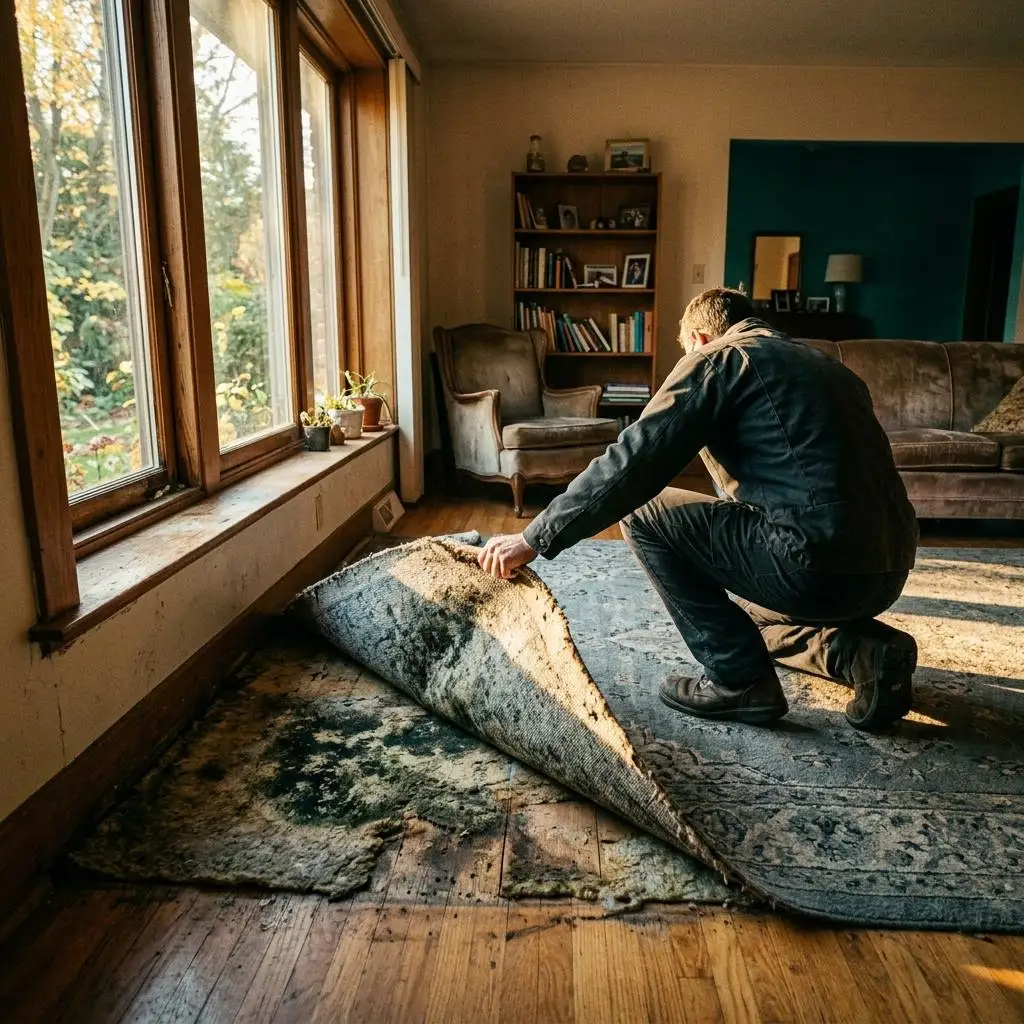
I once worked with a homeowner who had tried two different carpet cleaners and a dehumidifier running full time, but the carpet still smelled like old socks. When we lifted the carpet, the pad was wet underneath and the concrete had efflorescence, a white powdery mineral deposit that shows water migration. The fix had to start with the slab itself. We installed a vapor barrier and sealed the concrete before laying new carpet with a moisture-resistant pad. That stopped the problem at the source.
Another common culprit is a crawl space that vents moisture into the basement air. If your crawl space is unsealed and the ground inside is damp, that humidity migrates into the basement and soaks into the carpet. A vapor barrier on the crawl space floor and a proper sump pump to handle groundwater can make a huge difference.
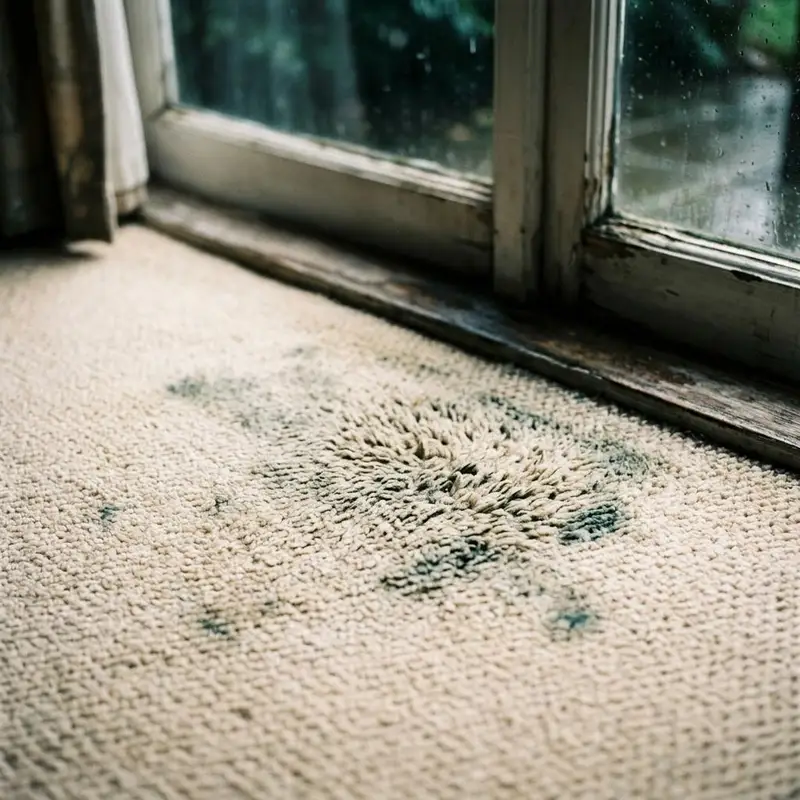
Before you spend money on any treatment, look for foundation cracks, leaky pipes, and condensation on basement walls. Fix those first. Otherwise you are just treating symptoms.
Drying Out the Carpet and the Room
Once the moisture source is under control, you need to dry the carpet thoroughly. Pull up the carpet from the tack strips if you can, and lift the pad to let air circulate underneath. Run a dehumidifier continuously for several days. Aim for relative humidity below 50 percent. A dehumidifier alone will not fix a wet carpet quickly, but it prevents the mold from spreading while you work.
If the mold growth is visible or the carpet has been wet for more than 48 hours, you are looking at mold remediation, not just cleaning. Carpet mold that has penetrated the fibers and the backing often requires removal and replacement. But if the damage is limited to surface spots and you catch it early, you can treat the carpet in place with an antimicrobial treatment.
I have had good results with products like Concrobium, which is a sodium carbonate blend that kills mold and leaves a residue that resists future growth. It is safe on most synthetic carpets but test a hidden area first. Another option is Benefect, a botanical disinfectant that works well on surface mold without harsh fumes. For tougher cases, RMR-141 is a stronger mold killer that needs good ventilation during application.
Some people prefer EC3 Mold Solution because it uses enzyme-based technology to break down mold spores. It is less aggressive but works well as a maintenance spray after the main cleanup. Whatever product you choose, apply it with a low-pressure sprayer and work it into the carpet fibers with a soft brush. Do not soak the carpet pad. If the pad is already wet, you are better off replacing it.
When to Call for a Professional Inspection
There is a point where DIY stops making sense. If the musty smell is strong and you have not found the moisture source yet, or if anyone in the home has asthma or allergies, a professional inspection is worth the money. A good inspector will use a moisture meter, check for hidden mold behind baseboards and under the carpet, and test the air quality. They can also advise on whether the carpet can be saved or if removal is the only safe option.
Professional mold remediation companies have equipment most homeowners do not own. They use HEPA vacuums to capture mold spores from the carpet and the air, and they can apply antimicrobial treatments in a way that reaches deep into the backing. Some also offer encapsulation, where they seal the carpet fibers with a coating that traps existing spores and prevents them from becoming airborne. That is a short-term fix, not a cure, but it can buy time while you fix the underlying moisture issue.
Preventive Steps That Actually Work
After you fix musty basement carpet, you want to keep it that way. The single most effective step is controlling basement moisture year-round. A dehumidifier set to 45 to 50 percent humidity is essential in most basements, especially in warm months. Run it continuously and drain it into a floor drain or a sump pump so you do not have to empty the bucket every day.
Check the dryer vent every few months. If it is routed through the basement instead of directly outside, it dumps warm moist air that condenses on the concrete floor and soaks into the carpet. Reroute it to the outside if you can. Also look at the grading around your foundation. The ground should slope away from the house so rainwater does not pool against the walls.
If you have a sump pump, test it twice a year. A failed sump pump during a heavy rain can flood the basement and ruin the carpet overnight. Install a backup battery-powered pump if your area gets frequent storms.
For new carpet installations, always use a moisture-resistant pad and a vapor barrier between the concrete and the carpet. Some contractors skip the vapor barrier to save money, but that is a mistake that leads to mold within a year. If you already have carpet down and cannot lift it, you can still reduce moisture by sealing the concrete with a penetrating sealer applied from the top. That is a messy job and requires moving all the furniture, but it works.
Testing for Mold After the Fix
Once you have cleaned the carpet and addressed the moisture, do not assume the mold is gone. Use a mold testing kit to check the air quality in the basement. These kits are available at hardware stores and online. You leave a petri dish open for a few hours and then seal it. If visible mold grows in the dish within a few days, you still have spores in the environment and may need more aggressive remediation.
I recommend testing again a month later, after the dehumidifier has been running and the basement has stayed dry. If the second test is clean, you can be confident the fix held. If mold shows up again, there is probably a hidden moisture source you missed, like a slow leak inside a wall or a foundation crack that lets in ground moisture.
Mold testing is not perfect, but it gives you a baseline. For peace of mind, a professional inspection with air sampling is more accurate. Some companies also offer thermal imaging to find cold spots where condensation forms, which is often where mold starts.
The Bottom Line on Basement Carpet Mold
Musty basement carpet is not something you have to live with, but the fix has to be thorough. You can clean the carpet and spray it with mold killers, but if the basement is still damp, the problem returns. The real solution is controlling basement moisture at the source, drying the carpet completely, and using the right antimicrobial treatments to kill what is already there. A dehumidifier, a vapor barrier, and proper drainage are not optional if you want a dry basement long term.
When you fix musty basement carpet the right way, you also protect the air quality in the rest of the house. Mold spores from the basement travel upstairs through the HVAC system and through open doors. I have seen people with chronic sinus issues improve dramatically after a basement mold problem was properly fixed. It is not just about the carpet. It is about the whole home environment.
If the mold coverage is extensive or the carpet padding is saturated, replacement is the safer choice. In that case, invest in a moisture-resistant carpet and pad, and install a vapor barrier. That combination, paired with ongoing humidity control, will keep your basement smelling fresh and your family breathing easier.